
UPDATE 5/16/25: It has since been confirmed by Forbes Magazine that Disney Imagineer Zach Riddley is the lead on this new Disney project for Abu Dhabi. Zach is an out and proud gay man, reguarly celebrating Pride on his own Instagram account. He also oversaw the redevelopment of EPCOT, including installations of various Pride artwork designs that were displayed during Pride Month. With that information in mind, I present my original article and continue to remain optimistic about what this means for our LGBTQ+ community.
You may have seen the headlines: Disney is building its seventh resort, this time in Abu Dhabi, United Arab Emirates. The announcement came with plenty of fanfare on the coast of Yas Island, where Disney leaders Bob Iger and Josh D’Amaro unveiled plans in partnership with Miral, the company financing and constructing the new theme park.
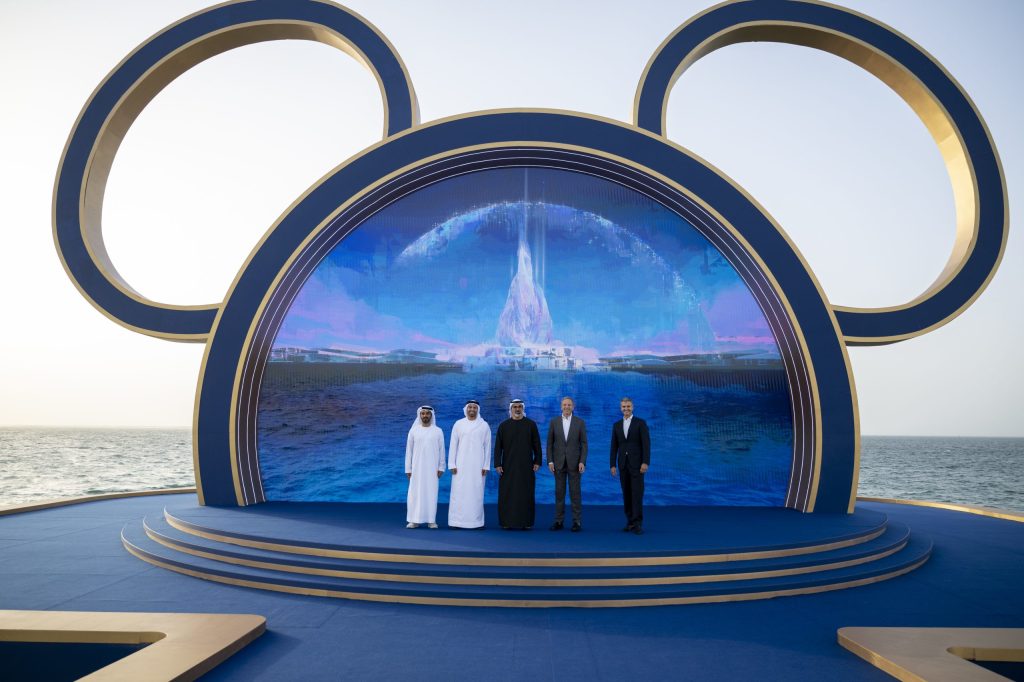
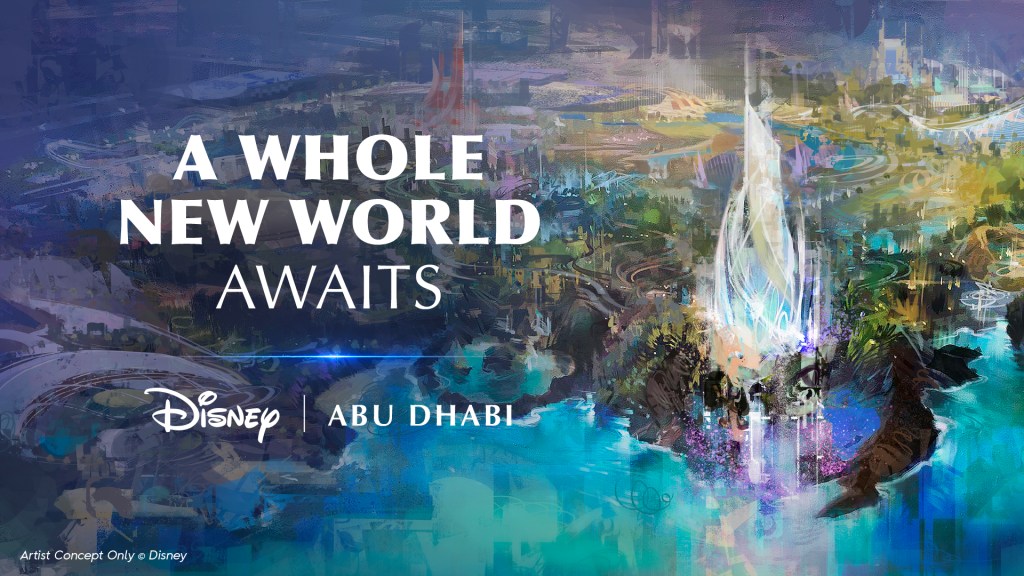
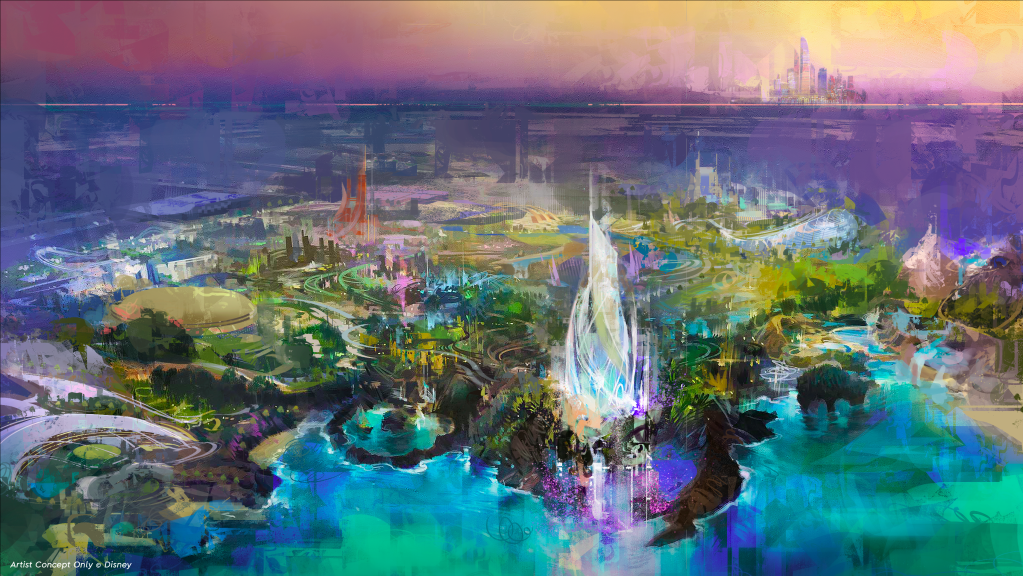
With the Aladdin-inspired tagline “A Whole New World Awaits,” Disney promotes the upcoming destination as a blend of “Disney’s vibrant culture, stunning shorelines, and breathtaking architecture.” Miral Chairman Mohamed Khalifa Al Mubarak described Abu Dhabi as “a place where heritage meets innovation, where we preserve our past while designing the future.” And that got me thinking.
For many in the LGBTQ+ community, the United Arab Emirates is not a welcoming destination. The country’s laws explicitly criminalize same-sex relationships, making travel risky, if not outright dangerous, for queer visitors. At the same time, Disney has long been viewed as one of the strongest corporate allies of the LGBTQ+ community. The company famously took a public stand against Florida’s “Don’t Say Gay” legislation, even at the risk of significant political and financial fallout.
That contradiction – Disney’s visible commitment to inclusion alongside its expansion into a country with anti-LGBTQ+ laws – has sparked many hot takes on social media. But as we know from our own experience in the U.S., cultural and legal change doesn’t happen overnight. And even when it does, that progress isn’t always permanent. Just look at the near-daily attacks on LGBTQ+ rights from our current presidential administration.
In the UAE, religious values are deeply integrated into the legal system. Sharia law influences many areas of life, including family law. While it’s not our place to dictate how another nation governs, partnerships between global corporations and local governments open the door for respectful dialogue. These partnerships can become opportunities to advocate for progress, not only for international visitors, but for the citizens who live under these laws every day.
Unlike the U.S., where church and state are at least theoretically separate, the UAE’s legal framework is directly informed by religion. That means being openly LGBTQ+ isn’t just taboo – it can be criminal. Western visitors may be granted some leniency, but locals are not afforded that same privilege. Many live in fear, forced to conceal who they are.

The UAE is an authoritarian state, governed by a federation of monarchs from seven emirates. While there have been limited efforts toward modernization, political and social reforms have moved slowly. Still, with cities like Dubai and Abu Dhabi increasingly marketed as luxury travel destinations, outside pressure for reform continues to grow.
I’ve known LGBTQ+ individuals who’ve lived and worked in the region. They’ve told me that while Westerners can often fly under the radar if they’re discreet, they’re still cautious. Public opinion remains conservative, and the risk of backlash is real. Visibility often comes with consequences.
So, is the UAE a safe or inclusive place for LGBTQ+ travelers? In most cases, the answer is no. That’s why it’s easy to feel conflicted when a brand like Disney (which has long championed inclusivity) decides to open a theme park there. But I also believe there’s nuance here.
Disney has a proven track record of fostering safe, welcoming environments at its resorts around the world. I expect them to try to bring that same spirit to Abu Dhabi. No, I don’t expect rainbow Pride merchandise to line the shelves in this park. But the very presence of a company like Disney, along with others like Warner Bros., Six Flags, and SeaWorld, could help influence cultural perceptions over time. That’s exactly what happened here in the U.S., where pop culture has played a major role in driving acceptance.
Corporate allies matter. I understand the discomfort many feel seeing Disney partner with a company based in a region with a history of human rights violations because I, too, feel the same. On their website, Miral (Disney’s partner in this project) presents itself as a forward-thinking company. They’ve publicly celebrated women in leadership roles, and while that doesn’t automatically earn a gold star, it shows a willingness to embrace global values. When Miral starts highlighting and supporting their LGBTQ+ employees, I’ll pay closer attention.
Miral lists its core values as Being Progressive, Being Committed, and Being Joyful. It’s hard to feel joyful when you can’t live openly or authentically. I believe Disney understands that. And perhaps their involvement in this project will encourage more openness and understanding over time.
For now, I believe Disney still has our backs here at home. I’m a hopeful person by nature, and I choose to think that this expansion into the Middle East has the potential to do more good than harm.
Frankly, it has to.





 OUT and ABOUT
Leave a comment